Target keyword: GLP-1 affiliate products
Best GLP-1 Affiliate Products to Promote
The best affiliate products for a GLP-1 audience solve practical problems: eating enough protein, planning smaller meals, staying hydrated, reducing grocery friction, and choosing convenient foods that still feel gentle.
Affiliate note: This is a monetization planning article. Confirm commission rates, cookie windows, allowed claims, brand bidding rules, and health-claim restrictions before adding links.
1. Prepared meal delivery subscriptions
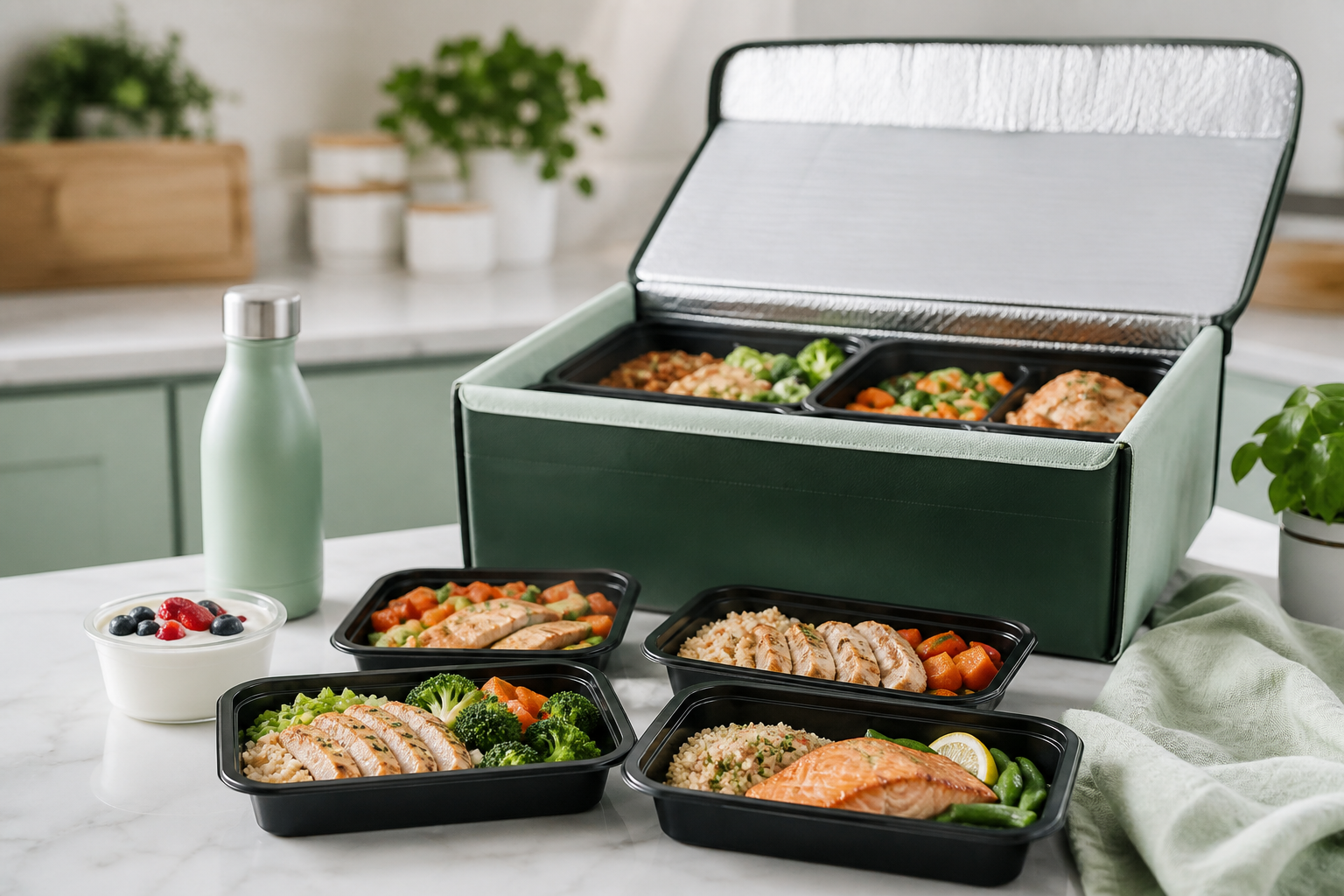
This is likely the strongest affiliate category for this site. Meal delivery has high buyer intent, recurring purchase behavior, and a direct connection to GLP-1 meal planning. Factor, bistroMD, Metabolic Meals, Nutrisystem, and similar services are worth evaluating.
2. Protein shakes and protein powders
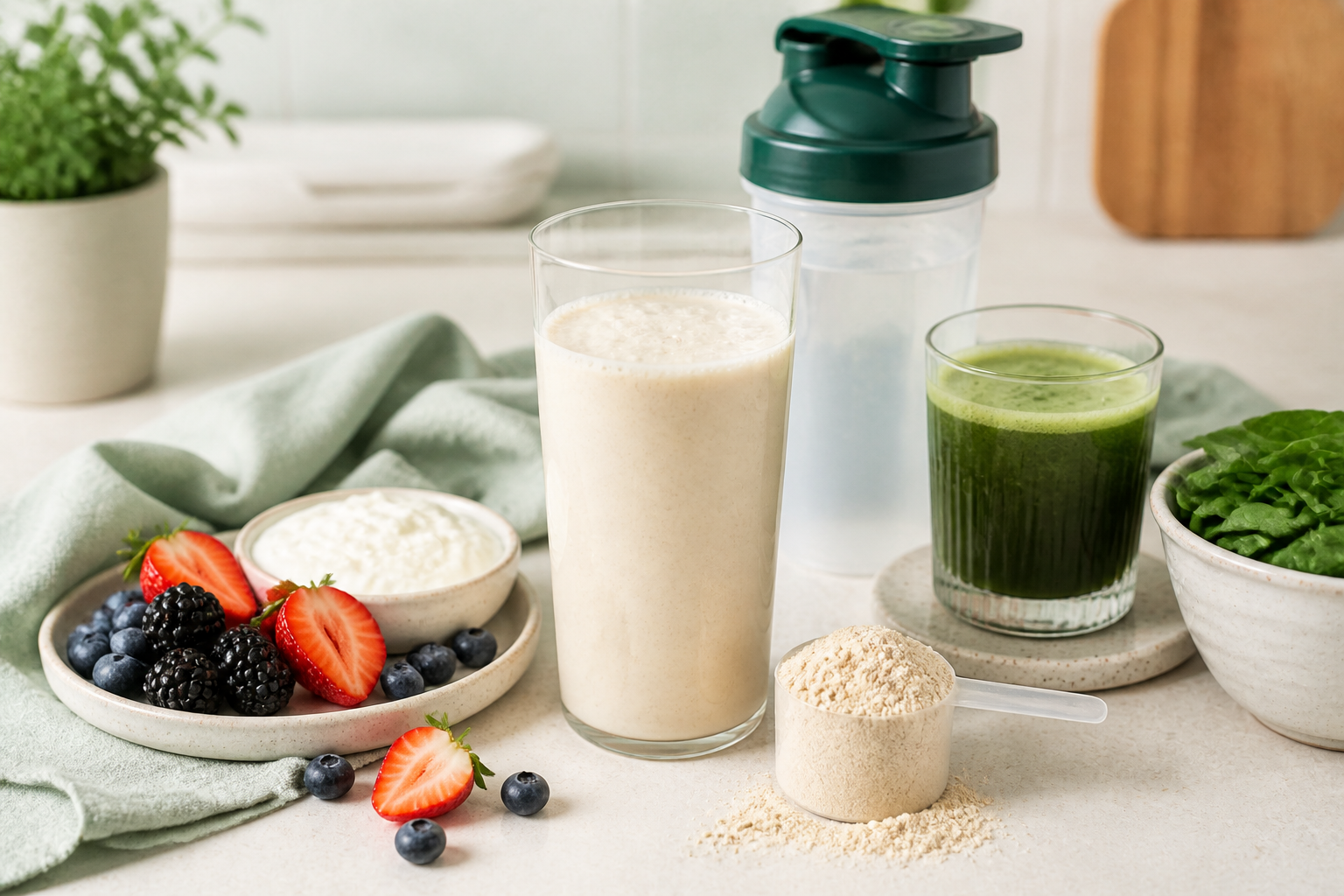
Protein products fit GLP-1 users because low appetite can make protein harder to reach. Focus on lower sugar, moderate-calorie, easy-to-digest options. Avoid claiming that a shake prevents nausea or muscle loss.
3. Hydration and electrolyte products
Hydration content can pair well with nausea, constipation, and low-energy articles. Look for low added sugar options and remind readers to follow medical guidance if they have kidney, heart, blood pressure, or fluid restrictions.
4. Greens powders and foundational supplements
AG1 is a recognizable wellness affiliate angle, but it should be positioned carefully. It is not a GLP-1 product and should not be presented as a replacement for food, protein, produce, or medical care. It may fit an article about convenient nutrition habits for people who struggle with produce intake.
5. Grocery delivery and meal prep tools
Grocery services, meal prep containers, digital food scales, blender bottles, insulated lunch bags, and small portion containers are lower-ticket but highly relevant. These can fill out shopping list, meal prep, and beginner guide articles.
Best affiliate strategy for GLP-1 Meal Plan To Go
Start with high-intent comparison articles, then support them with educational posts. For example, a reader might enter through “GLP-1 nausea foods,” then click to a free meal plan, then later read a meal delivery comparison when they are ready to buy.
Build trust before monetizing
Keep recommendations practical, disclose affiliate relationships clearly, and prioritize products that fit the GLP-1 nutrition framework: high protein, lower fat, lower added sugar, smaller portions, and hydration support.
This information is for educational purposes only and does not replace medical advice. Always consult your healthcare provider or registered dietitian before making major diet changes, especially while taking GLP-1 medications.
Target keyword: Factor GLP-1 meal delivery
Factor GLP-1 Meal Delivery Review: Is It a Good Fit?
Factor is one of the most obvious affiliate-friendly meal delivery angles for GLP-1 content because it now has dedicated GLP-1 Balance positioning, protein-forward meals, visible macros, and a fresh ready-to-eat format.
Affiliate note: Add your approved Factor affiliate link after joining the program. Do not publish discount claims unless they match Factor’s current offer terms.
What Factor offers for GLP-1 users
Factor’s GLP-1 meal delivery page emphasizes portion control, protein-forward meals, calorie-friendly nutrition, and ready-to-eat convenience. It also highlights a GLP-1 Balance meal preference, meal swaps, nutrition information, and flexible subscription changes.
Potential pros
- Fresh, ready-to-eat meals
- Meals heat quickly
- Protein-forward options
- Nutrition facts available before ordering
- Good fit for busy users who do not want to cook
- Subscription model can be attractive for affiliate monetization
Potential cons
- Some meals may still be too large for very low appetite days.
- Some options may be higher in fat than nausea-sensitive users prefer.
- Fresh prepared meals usually cost more than grocery meal prep.
- Users with severe allergies need to review ingredients carefully.
Who Factor may be best for
Factor may fit GLP-1 users who want convenience, visible macros, higher protein options, and meals that do not require cooking. It may be especially useful for lunch, workdays, travel weeks, or people who throw away groceries because appetite changes week to week.
How to order Factor meals for GLP-1 needs
- Start with protein-forward meals.
- Check calories and fat before adding to the box.
- Choose simpler meals when nausea is active.
- Split meals into two portions if needed.
- Use add-ons carefully, especially desserts or rich snacks.
Before you order a full box
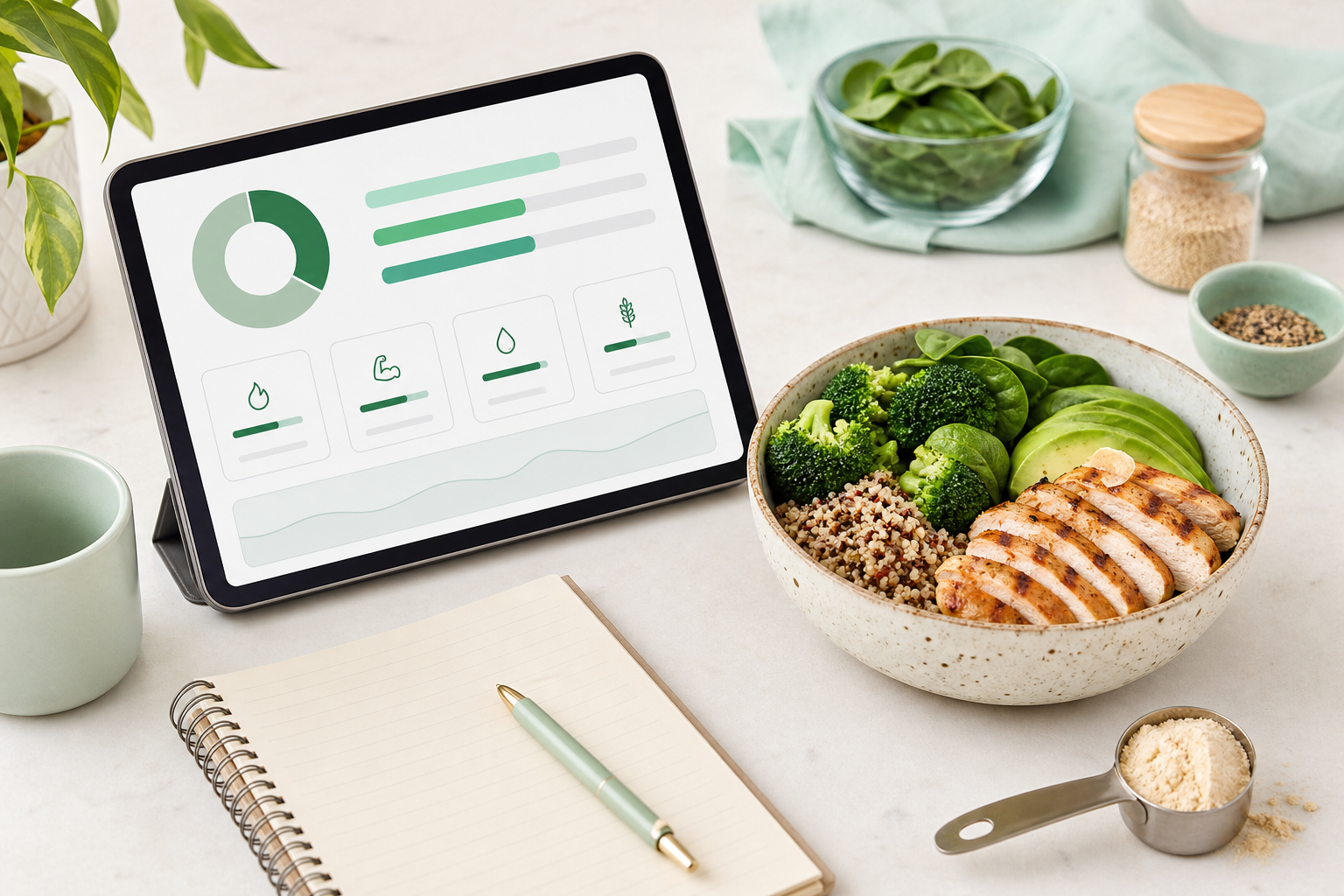
Use the GLP-1 Calculator to compare a few meal options and choose the most protein-dense, nausea-aware picks.
This information is for educational purposes only and does not replace medical advice. Always consult your healthcare provider or registered dietitian before making major diet changes, especially while taking GLP-1 medications.
Target keyword: GLP-1 meal delivery programs
Best GLP-1 Meal Delivery Programs for High-Protein Small Portions
Meal delivery can be a smart fit for GLP-1 users because appetite is unpredictable and cooking may feel like too much. The best programs make protein easier, portions smaller, and nutrition decisions simpler.
Affiliate note: This article is built for future affiliate links. Replace each placeholder CTA with your approved affiliate URL after joining the program. Review all claims against the merchant’s current landing page before publishing.
What to look for in GLP-1 meal delivery
- Protein-forward meals, ideally with nutrition facts visible before ordering
- Smaller or portion-controlled meals that can be split if needed
- Lower-fat options for nausea or reflux-sensitive days
- Low added sugar choices
- Flexible subscriptions you can pause, skip, or cancel
- Ingredient transparency for food aversions and restrictions
Best GLP-1 meal delivery options to evaluate
Factor GLP-1 Balance
Factor has a GLP-1 meal delivery page focused on protein-forward, calorie-conscious, ready-to-eat meals. This is a strong conversion angle for users who want fresh meals that heat quickly.
bistroMD GLP-1 Program
bistroMD has GLP-1 optimized meal delivery messaging with doctor-designed and dietitian-approved positioning. This can fit readers who want more structure and nutrition support.
Metabolic Meals
Metabolic Meals is attractive from an affiliate perspective because its affiliate page promotes high ticket sizes, frequent purchases, and recurring commission on returning orders.
Nutrisystem High Protein Options
Nutrisystem says its high-protein programs can support people using anti-obesity medications, including GLP-1s. It may fit users who want a structured, portion-controlled program.
Which meal delivery option is best for GLP-1 users?
The best choice depends on appetite, budget, dietary restrictions, meal texture preferences, and how much structure you want. Factor may fit users who want fresh ready-to-eat meals. bistroMD may fit users who want a more dietitian-designed structure. Metabolic Meals may fit readers who care about real-food positioning and flexible prepared meals. Nutrisystem may fit those who want a more complete weight-management program.
How to compare meal delivery before buying
- Check protein per meal.
- Check fat and calories.
- Review ingredients for aversions or reflux triggers.
- Confirm shipping, skip, and cancellation terms.
- Start with fewer meals until you know what you tolerate.
Check a delivered meal before ordering more
Use the GLP-1 Calculator to estimate calories, protein density, fat, carbs, and nausea risk from the meal ingredients.
This information is for educational purposes only and does not replace medical advice. Always consult your healthcare provider or registered dietitian before making major diet changes, especially while taking GLP-1 medications.
Target keyword: foods to avoid on Ozempic and Wegovy
Foods to Avoid on Ozempic and Wegovy
There is no universal banned food list for Ozempic or Wegovy. But some foods are more likely to feel heavy, trigger nausea, worsen reflux, or make small appetites harder to manage.
Why some foods feel different
GLP-1 medications can reduce appetite and slow digestion. A meal that felt normal before may now feel too large, too greasy, or too rich. The goal is to notice patterns and build meals that feel realistic.
Foods that may be harder to tolerate
Fried and greasy foods
Fried chicken, fries, greasy burgers, and heavy takeout meals may sit uncomfortably for some users.
Heavy cream-based meals
Creamy pastas, rich soups, and heavy sauces can be high in fat and may worsen nausea or reflux for some people.
Very large meals
Large portions can be difficult when appetite is lower and fullness arrives quickly.
High-sugar foods and drinks
Soda, sweet tea, candy, desserts, and sugary coffee drinks can crowd out protein and may bother some stomachs.
Alcohol
Alcohol may worsen nausea, reflux, dehydration, or food choices for some users. Ask your healthcare provider what is safe for you.
Better swaps
- Choose grilled chicken instead of fried chicken.
- Choose broth-based soup instead of creamy soup.
- Choose a small rice bowl instead of a large burrito.
- Choose Greek yogurt and berries instead of a high-sugar dessert.
- Choose water, herbal tea, or low-sugar electrolytes instead of soda.
Do you have to avoid these forever?
Not necessarily. Tolerance can vary by person, portion size, dose stage, timing, and overall meal composition. Track what bothers you and bring concerns to your healthcare provider or dietitian.
Check meals before they feel too heavy
The GLP-1 Calculator estimates fat, calories, protein density, and nausea risk from ingredients.
FAQ
Can I eat carbs on Ozempic or Wegovy?
Carbs can fit. Gentle starches like rice, oats, potatoes, toast, and fruit may be useful, especially when paired with protein.
Are greasy foods dangerous?
They are not automatically dangerous for everyone, but they may be harder to tolerate. Severe or persistent symptoms should be discussed with a healthcare provider.
This information is for educational purposes only and does not replace medical advice. Always consult your healthcare provider or registered dietitian before making major diet changes, especially while taking GLP-1 medications.
Target keyword: beginner GLP-1 meal plan
Beginner GLP-1 Meal Plan
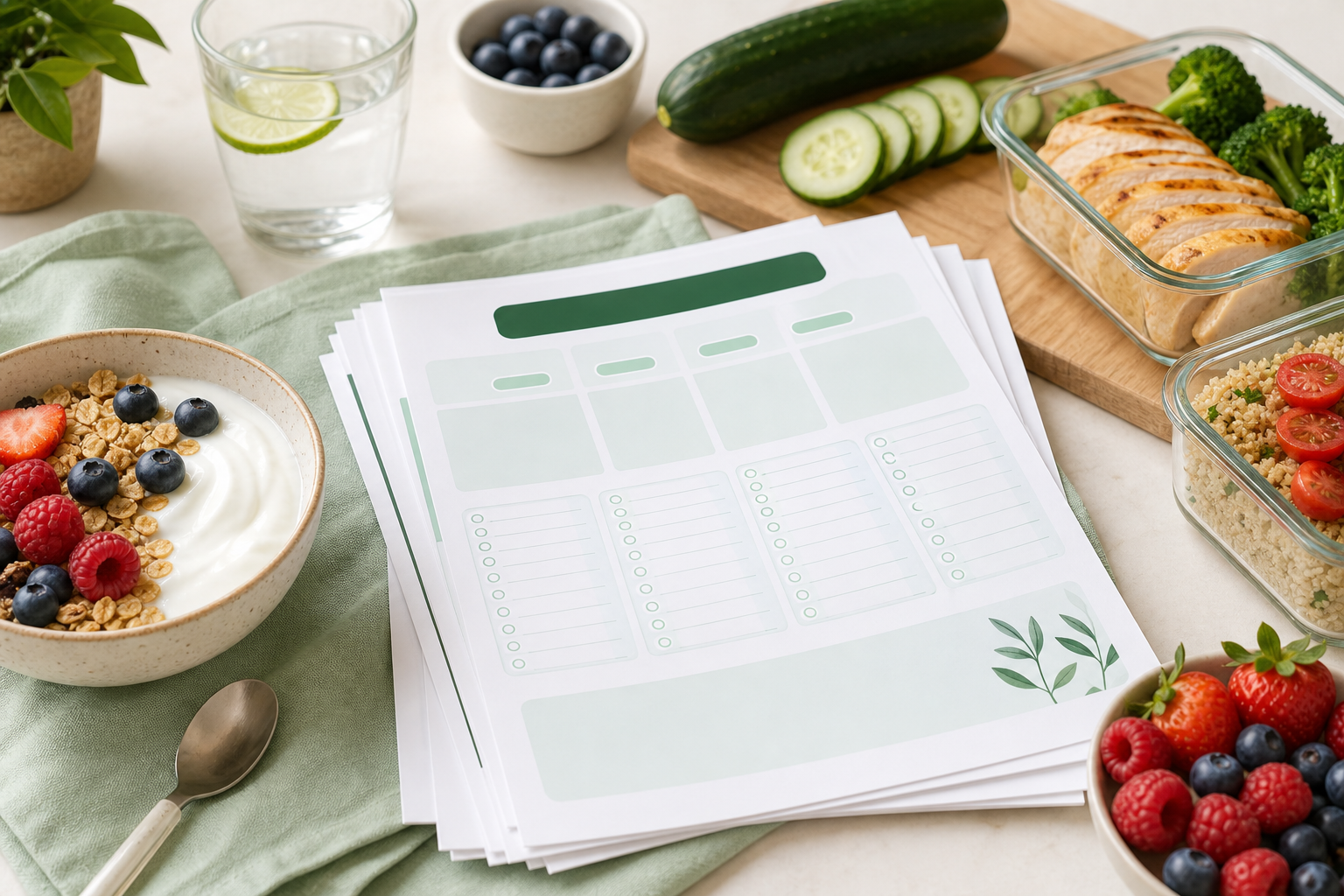
Starting a GLP-1 medication can change your appetite fast. This beginner GLP-1 meal plan focuses on simple meals, smaller portions, lean protein, gentle foods, and hydration.
Beginner meal planning principles
- Eat protein first when possible.
- Keep portions smaller and save leftovers.
- Choose lower-fat meals on nausea days.
- Use shakes or soft foods when appetite is low.
- Sip fluids between meals.
- Avoid extreme dieting language and crash diets.
Sample beginner day
Breakfast
Greek yogurt with berries and soft oats.
Lunch
Chicken rice bowl with cucumber and light sauce.
Dinner
Turkey meatballs with mashed sweet potato and cooked spinach.
Snack
Protein shake, cottage cheese, or tuna with crackers.
Three-day starter plan
| Day | Breakfast | Lunch | Dinner | Snack |
|---|---|---|---|---|
| 1 | Greek yogurt bowl | Chicken rice bowl | Turkey meatballs | Protein shake |
| 2 | Egg whites and toast | Tuna cucumber plate | Salmon, rice, carrots | Cottage cheese |
| 3 | Protein smoothie | Turkey wrap, half portion | Chicken noodle soup | String cheese and berries |
Nausea-friendly swaps
- Swap fried foods for baked chicken or egg whites.
- Swap creamy sauces for broth, salsa, or light yogurt sauce.
- Swap large salads for cooked vegetables or soup.
- Swap a full plate for a small protein snack if appetite is very low.
Want the full 7-day version?
Get the free 7-day GLP-1 meal plan with breakfast, lunch, dinner, snacks, swaps, and a shopping list.
This information is for educational purposes only and does not replace medical advice. Always consult your healthcare provider or registered dietitian before making major diet changes, especially while taking GLP-1 medications.
Target keyword: GLP-1 constipation relief foods
GLP-1 Constipation Relief Foods
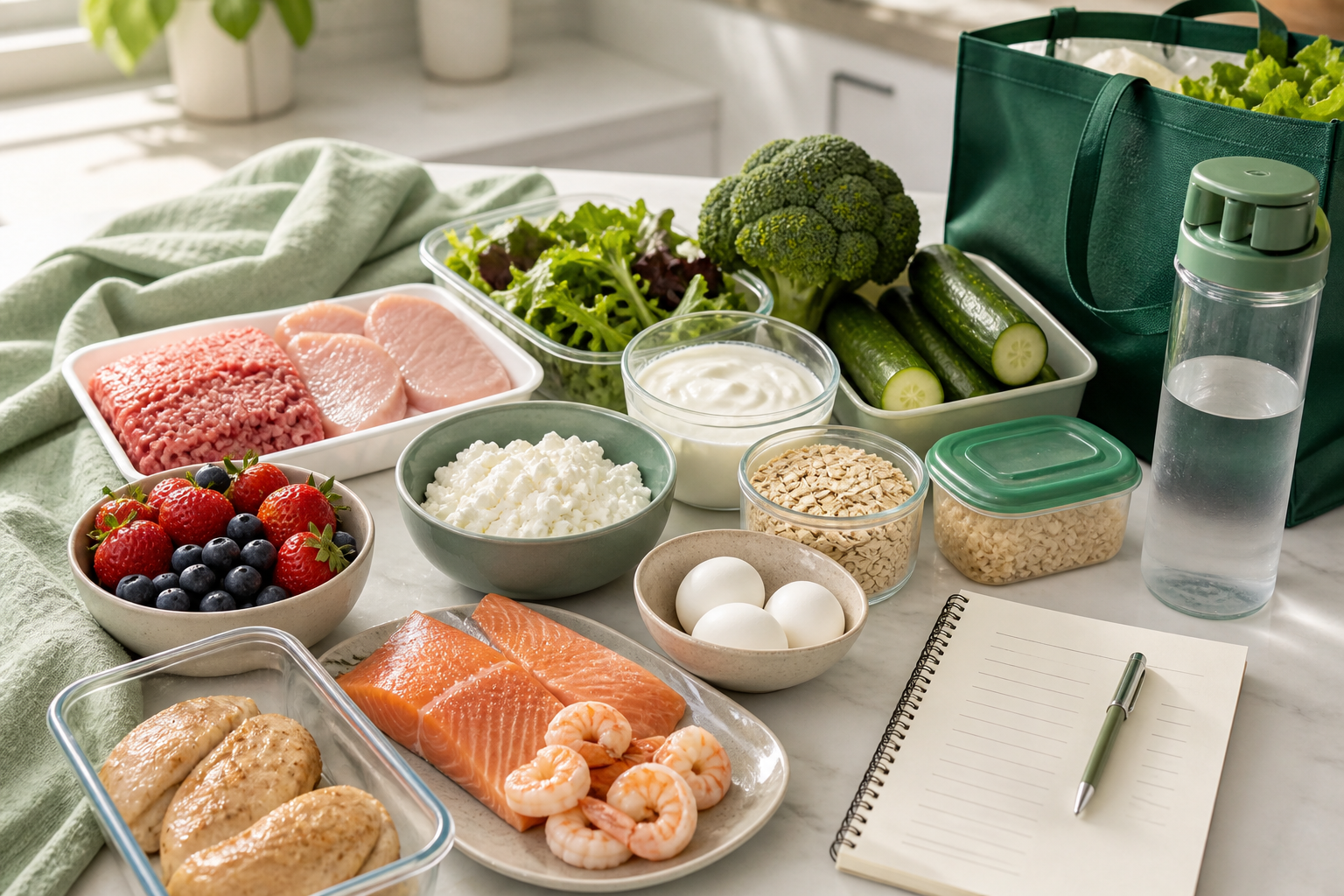
Constipation is a common concern for many GLP-1 users. Food can support regularity, but the best approach is gentle: fluids, fiber as tolerated, movement, and a plan that does not overwhelm your stomach.
Why constipation can happen on GLP-1
GLP-1 medications can slow digestion and reduce appetite. If you are eating less food, drinking less fluid, or getting less fiber than usual, bowel habits can change.
Foods that may support regularity
- Oatmeal or overnight oats
- Berries, peaches, pears, or applesauce
- Sweet potatoes or potatoes with skin if tolerated
- Beans, lentils, or edamame if they do not trigger discomfort
- Cooked vegetables like carrots, spinach, zucchini, or green beans
- Greek yogurt or kefir if tolerated
- Chia or ground flax in small amounts if your care team approves
Hydration matters
Fiber works best with fluids. Sip water between meals. Broth, herbal tea, low-sugar electrolyte drinks, and water-rich produce may also help you stay hydrated.
Go slow with fiber
Adding too much fiber too quickly can cause bloating or discomfort. Start small, choose foods you tolerate, and increase gradually. If constipation is severe, painful, or persistent, contact your healthcare provider.
Simple constipation-friendly meal ideas
- Greek yogurt with berries and soft oats
- Chicken soup with carrots and rice
- Turkey bowl with sweet potato and spinach
- Tofu bowl with rice and cooked zucchini
- Protein smoothie with berries and a small amount of ground flax
Plan gentle meals
Download the free 7-day GLP-1 meal plan for smaller portions, high protein meals, and practical hydration reminders.
This information is for educational purposes only and does not replace medical advice. Always consult your healthcare provider or registered dietitian before making major diet changes, especially while taking GLP-1 medications.
Target keyword: how much protein on GLP-1
How Much Protein Do You Need on GLP-1?
There is no single protein number that fits everyone. But protein is worth paying attention to on GLP-1 medications because appetite is often lower and weight loss may include some lean mass loss.
Why protein needs attention
GLP-1 medications can reduce how much you eat. That can be helpful for weight management, but it also means you may unintentionally eat less protein. Protein supports muscle, strength, fullness, immune function, and recovery.
So how much protein do you need?
Your best protein target depends on your body size, medical conditions, kidney health, activity level, age, and weight-loss plan. Many people benefit from discussing a personalized target with a registered dietitian or healthcare provider.
Instead of guessing, start by tracking a few normal days. If you are regularly far below your care team’s target, build protein into breakfast, lunch, dinner, and snacks.
Signs your protein may be too low
- You are skipping meals often.
- You feel weak, shaky, or unusually fatigued.
- Your meals are mostly crackers, fruit, toast, or sweets.
- You are losing weight very quickly and struggling to eat.
- You rarely include meat, fish, eggs, dairy, tofu, beans, or shakes.
How to add protein without huge meals
- Add Greek yogurt at breakfast.
- Use egg whites in a small scramble.
- Add shredded chicken to soup.
- Keep tuna packets available.
- Use cottage cheese as a snack.
- Sip a protein shake slowly on low appetite days.
- Choose lean protein first when eating out.
Protein density matters
Protein density compares protein calories to total calories. A meal can be high calorie but not very protein-forward. GLP-1 users often do better with meals that provide meaningful protein in a smaller amount of food.
Estimate protein density
The free GLP-1 Calculator estimates protein density, calories, fat, carbs, and nausea risk from your ingredients.
FAQ
Do GLP-1 users need more protein?
Some users may need to be more intentional about protein because total intake is lower. Your exact target should be personalized.
Can I use protein shakes every day?
For many people, shakes can be useful. They should fit your overall nutrition plan and any medical guidance you have received.
This information is for educational purposes only and does not replace medical advice. Always consult your healthcare provider or registered dietitian before making major diet changes, especially while taking GLP-1 medications.
Target keyword: GLP-1 fast food guide
GLP-1 Fast Food Guide
Fast food happens. The goal is not perfection. The goal is choosing meals that are easier to tolerate, higher in protein, and not so large or greasy that they derail your day.
How to order fast food on GLP-1
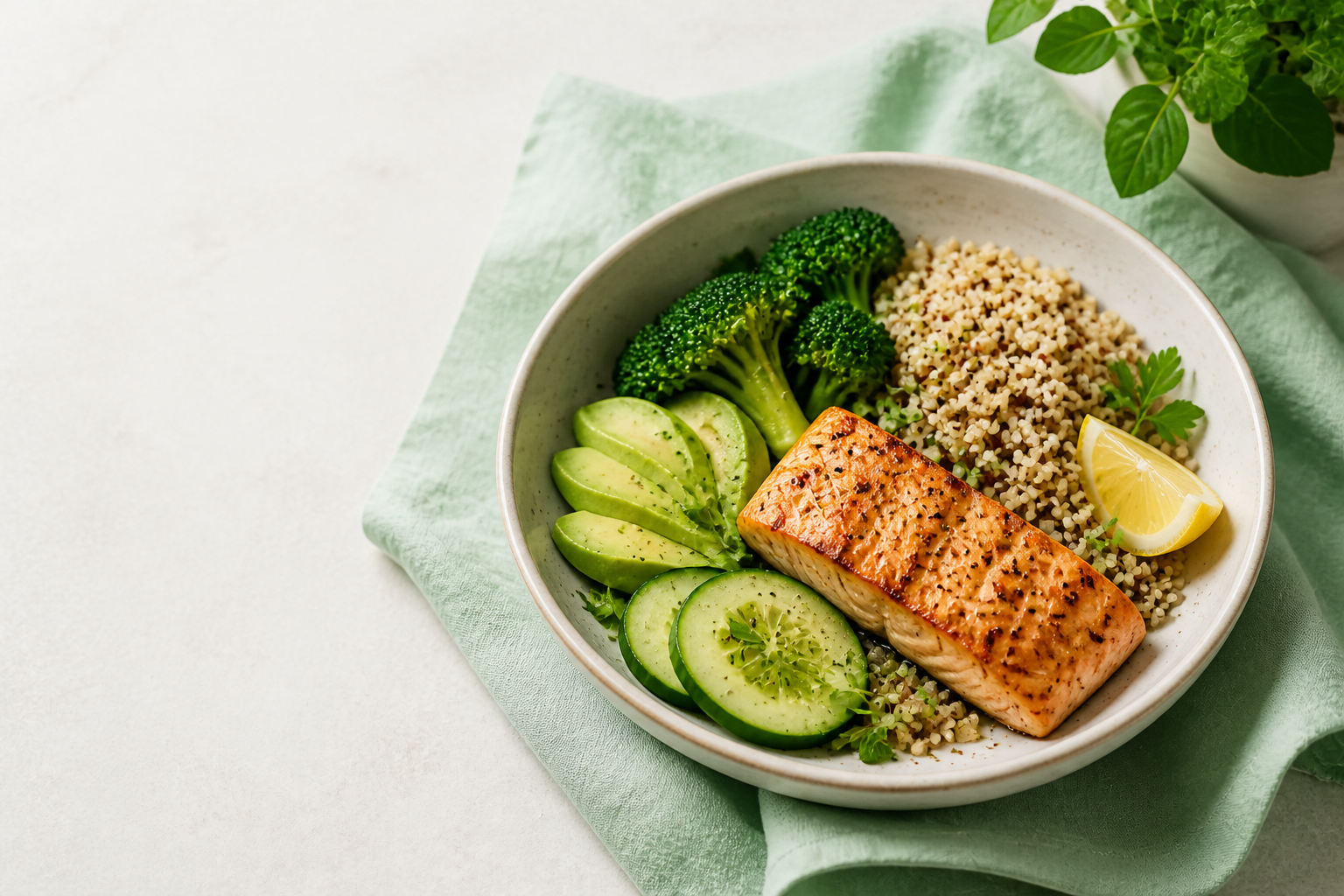
Start with lean protein. Keep portions smaller. Choose grilled or baked options when available. Go easy on creamy sauces, fried sides, sugary drinks, and oversized meals. Save leftovers if you feel full early.
Better fast food choices
- Grilled chicken sandwich, half portion if needed
- Grilled nuggets or chicken strips if available
- Turkey or chicken sub with light sauce
- Egg white breakfast sandwich
- Small chili with extra lean protein
- Burrito bowl with chicken, beans, rice, salsa, and light cheese
- Salad with grilled protein and dressing on the side
Simple swaps
- Swap fried chicken for grilled chicken.
- Swap creamy sauce for salsa, mustard, or light dressing.
- Swap large fries for fruit, a small potato, broth-based soup, or skip the side.
- Swap soda or sweet tea for water or unsweetened tea.
- Swap a giant combo for a single entree you can split.
What to be careful with
Large fried meals, milkshakes, creamy pastas, heavy burgers, high-fat breakfast sandwiches, and sugary drinks may be harder for some GLP-1 users. If you know a food triggers reflux or nausea, it is worth choosing a gentler option.
Low appetite fast food strategy
Order the smallest useful protein option. Eat slowly. Stop when comfortably full. Bring the rest home. If a full meal sounds impossible, consider a protein shake, yogurt, or simple snack instead.
Check the meal first
Use the GLP-1 Calculator to estimate whether your fast food meal is protein-forward or higher risk for nausea.
This information is for educational purposes only and does not replace medical advice. Always consult your healthcare provider or registered dietitian before making major diet changes, especially while taking GLP-1 medications.
Target keyword: protein shakes for GLP-1 users
Best Protein Shakes for GLP-1 Users
Protein shakes can be helpful when appetite is low, chewing feels unappealing, or you need a simple way to add protein without a large meal.
Why protein shakes can help on GLP-1
GLP-1 medications can make full meals feel too large. A shake can help bridge the gap, especially at breakfast, after exercise, or on days when solid food sounds difficult. Shakes should support a meal plan, not replace balanced eating all the time.
What to look for in a GLP-1 protein shake
- 20 to 30 grams of protein per serving for many users
- Low added sugar
- Moderate calories
- Not too high in fat
- A flavor and texture you can tolerate
- Simple ingredients when your stomach feels sensitive
Types of protein shakes
Ready-to-drink shakes
These are convenient and easy to keep cold. They work well for busy days or travel.
Protein powder smoothies
Powder lets you control the ingredients. Try protein powder with milk, ice, banana, berries, or Greek yogurt.
Clear protein drinks
Some users prefer lighter drinks when creamy shakes feel too heavy. Check added sugar and ingredients.
Nausea-friendly shake tips
Sip slowly. Keep it cold. Avoid making the shake too large. If thick shakes feel heavy, thin them with water, milk, or ice. If sweetness bothers you, choose a milder flavor or blend with plain Greek yogurt.
Easy protein shake ideas
- Vanilla protein, Greek yogurt, berries, and ice
- Chocolate protein, banana, milk, and ice
- Unflavored protein mixed into a small smoothie
- Ready-to-drink shake plus crackers or fruit
Use shakes strategically
Try the free 7-day GLP-1 meal plan for small meals, snacks, and shake-friendly low appetite days.
This information is for educational purposes only and does not replace medical advice. Always consult your healthcare provider or registered dietitian before making major diet changes, especially while taking GLP-1 medications.
Target keyword: GLP-1 meal delivery
Best GLP-1 Meal Delivery Services: What to Look For
Meal delivery can help when cooking feels like too much. But not every prepared meal fits GLP-1 needs. The best options are protein-forward, lower in fat, easy to portion, and not overloaded with sugar or cream-based sauces.
What makes a meal delivery service GLP-1 friendly?
Look for meals that make it easy to get enough protein in smaller portions. A good GLP-1 meal delivery service should show nutrition facts clearly, offer lean proteins, include vegetables, and let you avoid foods that trigger nausea or reflux.
Use this checklist before ordering
- At least 25 to 35 grams of protein per meal when possible
- Moderate calories for smaller appetites
- Lower fat cooking methods like grilled, baked, roasted, or steamed
- Low added sugar
- Clear ingredient lists
- Easy portion splitting for two smaller meals
- Filters for dietary restrictions and avoided foods
Meal types that often work well
Chicken rice bowls, turkey meatballs, fish with potatoes, tofu bowls, high-protein breakfast bowls, soups with added protein, and simple Mediterranean-style plates can all fit a GLP-1 meal plan when portions are comfortable.
Meal types to review carefully
Be cautious with fried meals, creamy pastas, heavy casseroles, high-sugar breakfast bowls, large burritos, rich sauces, and meals where most calories come from fat. These are not automatically off-limits, but some GLP-1 users find them harder to tolerate.
Affiliate-ready categories for future reviews
- Fresh prepared meals
- Frozen high-protein meals
- Meal prep services
- Grocery meal kits
- Protein breakfast delivery
- Dietitian-designed meal plans
Check a delivered meal first
Enter the meal ingredients or nutrition estimate into the GLP-1 Calculator to review protein density and nausea risk.
FAQ
Is meal delivery good for GLP-1 users?
It can be useful if it helps you eat enough protein and avoid skipped meals. Choose meals with clear nutrition facts and portions you can split.
Should I choose low calorie meal delivery?
Not necessarily. GLP-1 medications may already reduce intake. Focus on protein, nutrition quality, and tolerability rather than extreme calorie restriction.
This information is for educational purposes only and does not replace medical advice. Always consult your healthcare provider or registered dietitian before making major diet changes, especially while taking GLP-1 medications.